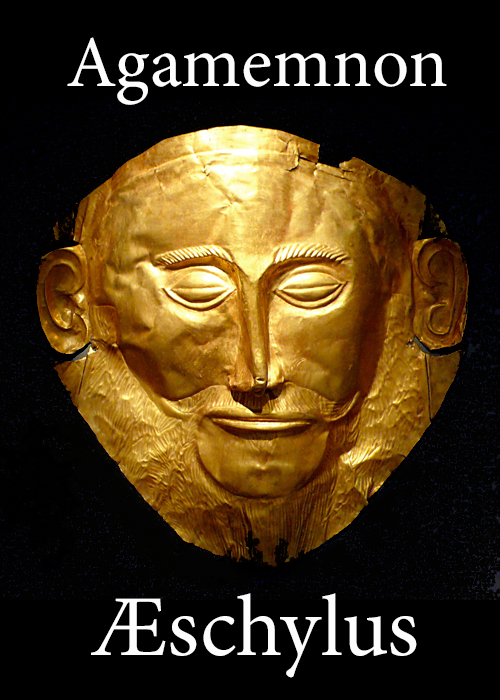
The Agamemnon of Aeschylus
By Aeschylus
The Agamemnon of Aeschylus" by Aeschylus is a classical Greek tragedy that likely dates back to the late 5th century BC. This play serves as the first part of the "Oresteia" trilogy and revolves around the themes of revenge, fate, and the consequences of one's actions. At its center, the narrative follows Agamemnon, the King of Argos, who returns from the Trojan War to confront the treachery of his wife, Clytemnestra, whose own motives are rooted in betrayal and vengeance. The opening of "The Agamemnon" sets a heavy and foreboding atmosphere, introducing a watchman who longs for news of Agamemnon's return from Troy. As Clytemnestra prepares a sacrificial offering and awaits her husband's arrival, the tension builds with references to dark omens and the sins of the past. Agamemnon's return is marked by conflicting emotions of triumph and foreboding, as his actions during the war—including the sacrifice of his daughter, Iphigenia—loom over the unfolding drama. Clytemnestra's intentions become ominously clear, hinting at the deadly consequences of revenge that await, establishing a deep sense of tragedy that resonates throughout the play.
format_quote Synopsis
The Agamemnon of Aeschylus" by Aeschylus is a classical Greek tragedy that likely dates back to the late 5th century BC. This play serves as the first part of the "Oresteia" trilogy and revolves around the themes of revenge, fate, and the consequences of one's actions. At its center, the narrative follows Agamemnon, the King of Argos, who returns from the Trojan War to confront the treachery of his wife, Clytemnestra, whose own motives are rooted in betrayal and vengeance. The opening of "The Agamemnon" sets a heavy and foreboding atmosphere, introducing a watchman who longs for news of Agamemnon's return from Troy. As Clytemnestra prepares a sacrificial offering and awaits her husband's arrival, the tension builds with references to dark omens and the sins of the past. Agamemnon's return is marked by conflicting emotions of triumph and foreboding, as his actions during the war—including the sacrifice of his daughter, Iphigenia—loom over the unfolding drama. Clytemnestra's intentions become ominously clear, hinting at the deadly consequences of revenge that await, establishing a deep sense of tragedy that resonates throughout the play.
"EbookVaultCollection curation board highlights this edition for its exceptional narrative structure and stylistic consistency. Paid members get full access to all future revisions and author notes."

Aeschylus
Author
Aeschylus is a highly celebrated author whose books have touched readers globally.
Explore bibliography arrow_forward