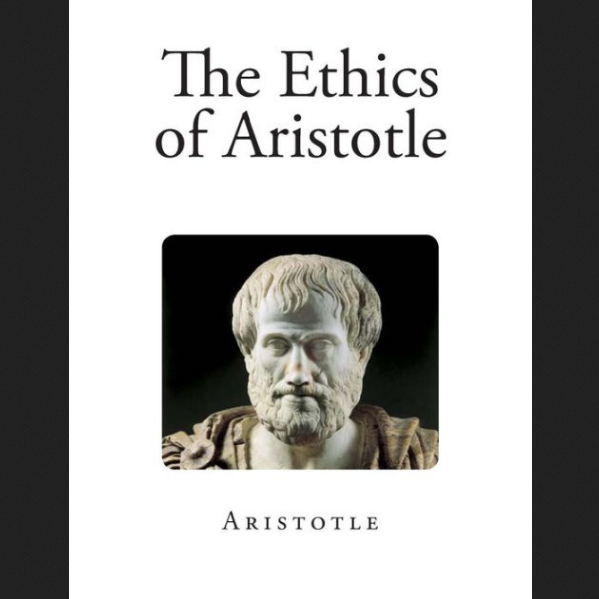
The Ethics of Aristotle
By Aristotle
The Ethics of Aristotle" by Aristotle is a foundational philosophical treatise written in the 4th century BC. This work serves as a comprehensive exploration of moral philosophy, addressing the nature of good character, virtue, and ultimately happiness, which Aristotle identifies as the chief aim of human action. The text is a part of Aristotle's broader discussions on human conduct, linked with his other work, "Politics," to form a holistic view of moral and civic life. The opening of this significant text introduces the central themes of ethics as they pertain to individual behavior in a societal context. Aristotle posits that every action is directed towards some good, with happiness defined as the ultimate end that people seek. Through a thorough analysis of various modes of life, including the pursuit of pleasure, honor, and contemplation, Aristotle thoughtfully critiques popular notions of happiness. He emphasizes the importance of virtue, which is achieved through habituation and reasoned action, ultimately weaving together ethics with the practical aspects of living well and functioning within the community. The excerpt illustrates Aristotle's method of philosophical inquiry, laying a groundwork for his extensive examination of moral virtues and their application in life.
format_quote Synopsis
The Ethics of Aristotle" by Aristotle is a foundational philosophical treatise written in the 4th century BC. This work serves as a comprehensive exploration of moral philosophy, addressing the nature of good character, virtue, and ultimately happiness, which Aristotle identifies as the chief aim of human action. The text is a part of Aristotle's broader discussions on human conduct, linked with his other work, "Politics," to form a holistic view of moral and civic life. The opening of this significant text introduces the central themes of ethics as they pertain to individual behavior in a societal context. Aristotle posits that every action is directed towards some good, with happiness defined as the ultimate end that people seek. Through a thorough analysis of various modes of life, including the pursuit of pleasure, honor, and contemplation, Aristotle thoughtfully critiques popular notions of happiness. He emphasizes the importance of virtue, which is achieved through habituation and reasoned action, ultimately weaving together ethics with the practical aspects of living well and functioning within the community. The excerpt illustrates Aristotle's method of philosophical inquiry, laying a groundwork for his extensive examination of moral virtues and their application in life.
"EbookVaultCollection curation board highlights this edition for its exceptional narrative structure and stylistic consistency. Paid members get full access to all future revisions and author notes."

Aristotle
Author
Aristotle is a highly celebrated author whose books have touched readers globally.
Explore bibliography arrow_forward