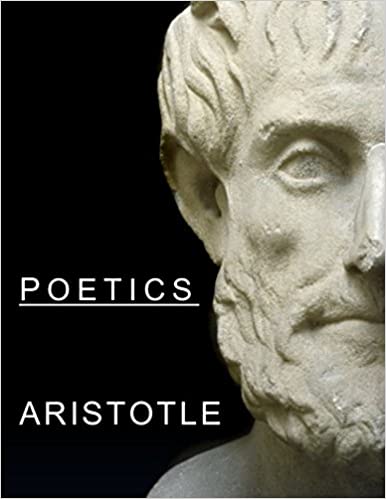
The Poetics of Aristotle
By Aristotle
"The Poetics of Aristotle" by Aristotle is a foundational philosophical treatise on literary theory, specifically focusing on the art of poetry, notably tragedy and epic poetry. Written during the classical period of ancient Greece, this work examines the nature and principles of poetic imitation and the essential components that contribute to effective storytelling, including plot, character, and diction. Aristotle's analysis serves as one of the earliest known systematic explorations of the mechanics and purposes of poetry, providing insight into the emotional effects it elicits from its audience. In "The Poetics", Aristotle categorizes different forms of poetry and discusses key concepts such as mimesis (imitation), the significance of plot structure, and the importance of catharsis—the emotional release achieved through pity and fear. He argues that tragedy evokes profound emotions by presenting a noble character's downfall due to a tragic flaw (hamartia) and emphasizes the role of plot over character in creating impactful narratives. By defining essential components of tragedy, including the elements of recognition and reversal, as well as evaluating epic poetry, Aristotle lays the groundwork for the analysis of literature that continues to influence literary criticism to this day.
format_quote Synopsis
"The Poetics of Aristotle" by Aristotle is a foundational philosophical treatise on literary theory, specifically focusing on the art of poetry, notably tragedy and epic poetry. Written during the classical period of ancient Greece, this work examines the nature and principles of poetic imitation and the essential components that contribute to effective storytelling, including plot, character, and diction. Aristotle's analysis serves as one of the earliest known systematic explorations of the mechanics and purposes of poetry, providing insight into the emotional effects it elicits from its audience. In "The Poetics", Aristotle categorizes different forms of poetry and discusses key concepts such as mimesis (imitation), the significance of plot structure, and the importance of catharsis—the emotional release achieved through pity and fear. He argues that tragedy evokes profound emotions by presenting a noble character's downfall due to a tragic flaw (hamartia) and emphasizes the role of plot over character in creating impactful narratives. By defining essential components of tragedy, including the elements of recognition and reversal, as well as evaluating epic poetry, Aristotle lays the groundwork for the analysis of literature that continues to influence literary criticism to this day.
"EbookVaultCollection curation board highlights this edition for its exceptional narrative structure and stylistic consistency. Paid members get full access to all future revisions and author notes."

Aristotle
Author
Aristotle is a highly celebrated author whose books have touched readers globally.
Explore bibliography arrow_forward