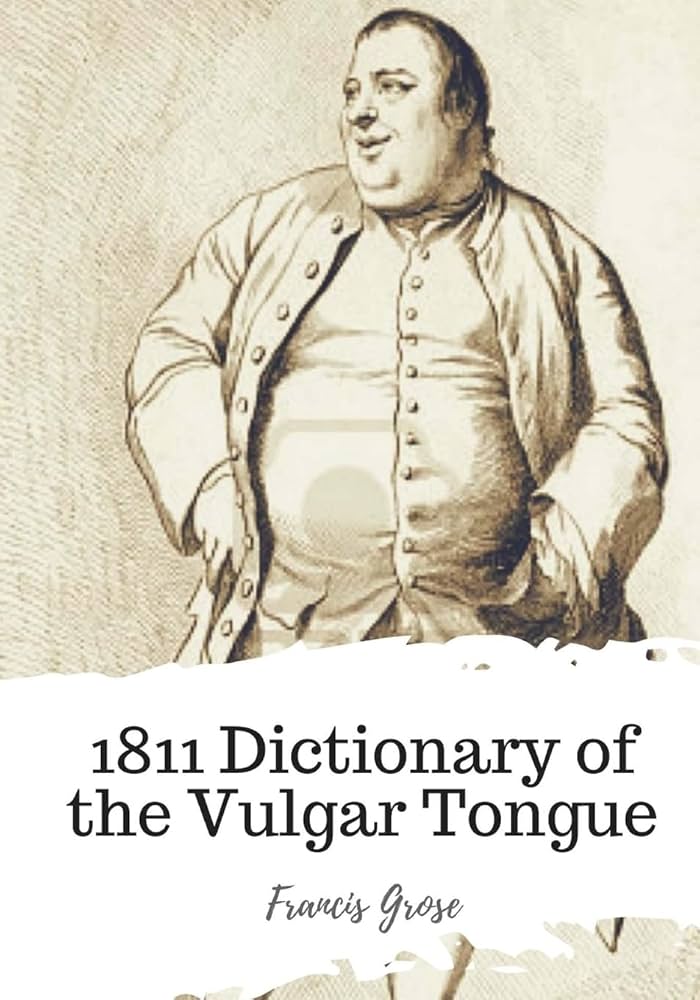
1811 Dictionary of the Vulgar Tongue
By Francis Grose
"1811 Dictionary of the Vulgar Tongue" by Francis Grose is a lexicon of slang and colloquial expressions compiled in the early 19th century. The book provides an extensive collection of terms used by various social classes, particularly focusing on the jargon of the lower orders of society, including thieves, pickpockets, and bawds, as well as terms from university slang. The work aims to document and make comprehensible the colorful and often bawdy language that characterized the period. At the start of this dictionary, we are introduced to the premise that Captain Grose’s original work has been revised and expanded with modern additions to better reflect the changing vernacular. The preface discusses the need for understanding the unique slang used by different social groups, emphasizing that the wealthy and fashionable were developing their own vulgarisms. Grose argues for the moral significance of understanding these terms, suggesting that the dictionary will help mitigate the influence of vulgar language in wider society, particularly among women. The opening also includes examples of terms from the dictionary, illustrating a diverse array of entries ranging from playful to risqué, showcasing the vibrant linguistic fabric of the time.
format_quote Synopsis
"1811 Dictionary of the Vulgar Tongue" by Francis Grose is a lexicon of slang and colloquial expressions compiled in the early 19th century. The book provides an extensive collection of terms used by various social classes, particularly focusing on the jargon of the lower orders of society, including thieves, pickpockets, and bawds, as well as terms from university slang. The work aims to document and make comprehensible the colorful and often bawdy language that characterized the period. At the start of this dictionary, we are introduced to the premise that Captain Grose’s original work has been revised and expanded with modern additions to better reflect the changing vernacular. The preface discusses the need for understanding the unique slang used by different social groups, emphasizing that the wealthy and fashionable were developing their own vulgarisms. Grose argues for the moral significance of understanding these terms, suggesting that the dictionary will help mitigate the influence of vulgar language in wider society, particularly among women. The opening also includes examples of terms from the dictionary, illustrating a diverse array of entries ranging from playful to risqué, showcasing the vibrant linguistic fabric of the time.
"EbookVaultCollection curation board highlights this edition for its exceptional narrative structure and stylistic consistency. Paid members get full access to all future revisions and author notes."

Francis Grose
Author
Francis Grose is a highly celebrated author whose books have touched readers globally.
Explore bibliography arrow_forward