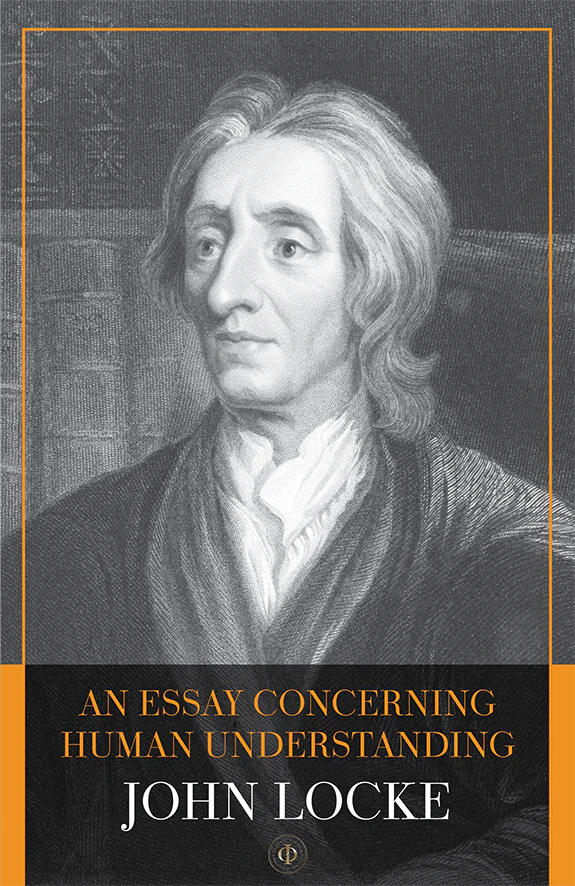
An Essay Concerning Humane Understanding, Volume 1
By John Locke
"An Essay Concerning Human Understanding, Volume 1" by John Locke is a foundational work in the history of philosophy that explores the nature and limits of human knowledge. Locke examines how we acquire ideas, arguing that the mind is a "tabula rasa" (blank slate) at birth, with knowledge derived from sensory experience and reflection. He categorizes ideas into simple and complex forms and discusses perception, language, and understanding in depth. Through his systematic inquiry, Locke refutes the notion of innate ideas and lays the groundwork for empiricism, influencing fields such as epistemology, psychology, and political theory. This volume is a rigorous and thought-provoking analysis of the mechanisms of human thought and the pursuit of knowledge.
format_quote Synopsis
"An Essay Concerning Human Understanding, Volume 1" by John Locke is a foundational work in the history of philosophy that explores the nature and limits of human knowledge. Locke examines how we acquire ideas, arguing that the mind is a "tabula rasa" (blank slate) at birth, with knowledge derived from sensory experience and reflection. He categorizes ideas into simple and complex forms and discusses perception, language, and understanding in depth. Through his systematic inquiry, Locke refutes the notion of innate ideas and lays the groundwork for empiricism, influencing fields such as epistemology, psychology, and political theory. This volume is a rigorous and thought-provoking analysis of the mechanisms of human thought and the pursuit of knowledge.
"EbookVaultCollection curation board highlights this edition for its exceptional narrative structure and stylistic consistency. Paid members get full access to all future revisions and author notes."

John Locke
Author
John Locke is a highly celebrated author whose books have touched readers globally.
Explore bibliography arrow_forward